Power plants and data centers support essential services, from electricity generation to digital communications. A security incident at either type of facility can cause significant operational and financial disruption.
As investment in energy and digital infrastructure grows across the Middle East, security teams must protect sensitive areas while maintaining efficient daily operations.
What Are the Main Security Screening Challenges at Power Plants and Data Centers?
Power plants and data centers rely on a steady flow of employees, contractors, maintenance teams, and service personnel to keep their operations running. Many require access to restricted areas and must bring tools, electronic devices, or other equipment with them.
At power plants, security teams are responsible for protecting control rooms, operational equipment, and other sensitive areas. At data centers, similar challenges arise when managing access to server rooms, network infrastructure, and critical IT systems.
An access badge confirms that someone is authorized to enter, but it does not determine what they may be bringing inside. Even when personnel have valid credentials, the items they carry may still require security screening.
This raises an important question: How can facilities screen personnel and their belongings effectively without creating unnecessary delays for those carrying out essential work?
How Can ETD and X-ray Screening Strengthen Physical Security?
Explosives trace detection (ETD) helps identify chemical traces associated with explosives, while X-ray screening allows security personnel to inspect bags and belongings for concealed or prohibited items.
At controlled entry points, these technologies provide complementary screening capabilities for personnel and their belongings, helping facilities strengthen security without unnecessarily disrupting daily operations.
How Does the CLX Support Security Screening at Power Plants and Data Centers?
The Scintrex Trace CLX is a compact explosives trace detector designed to identify chemical traces associated with explosives.
At power plants and data centers, the CLX supports security screening at controlled entry points for employees, contractors, maintenance teams, and visitors.
Security personnel collect surface swabs from selected individuals, bags, tools, and equipment to check for explosive traces.
The CLX’s portability allows security teams to move the detector between inspection locations and conduct secondary checks when needed. Any alarm is handled according to the facility’s established security response procedures.
The CLX also supports vapor sampling and provides results within seconds.
In 2025, the CLX achieved ASTM E2520-21 certification, an internationally recognized standard for evaluating explosives trace detector performance. Independent testing recorded zero false positives in the specified swab-sampling test.
How Can X-ray Screening Improve Data Center Security?
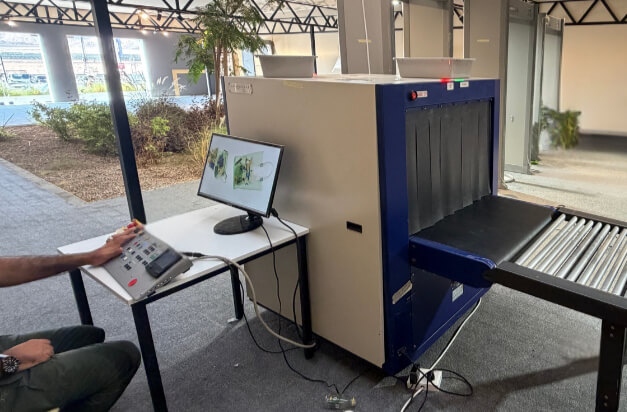
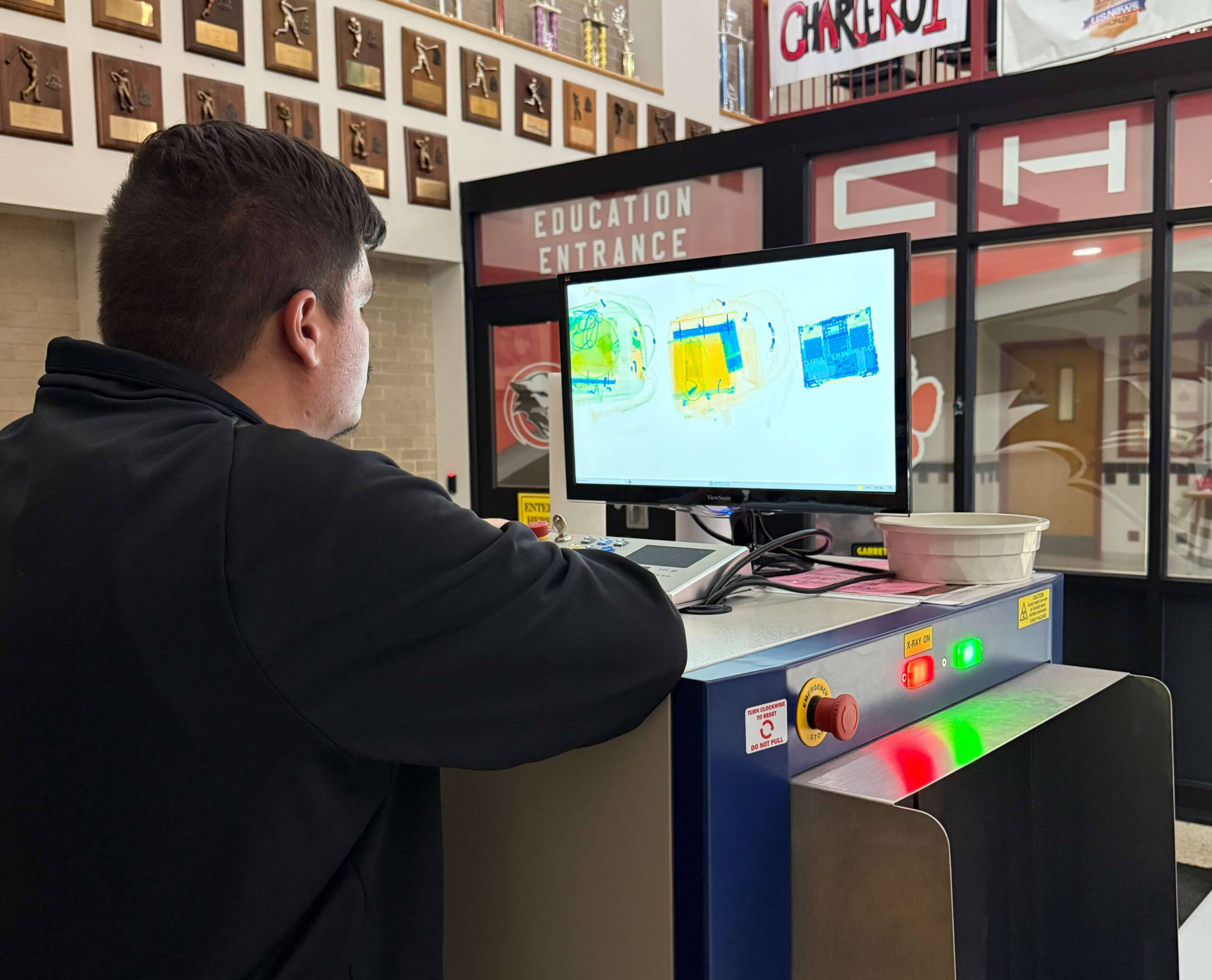
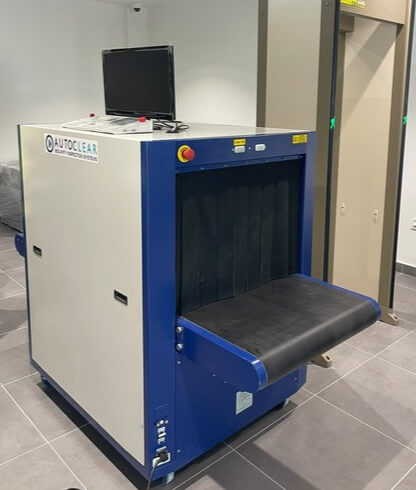
Autoclear X-ray screening systems have been installed at two data centers in Saudi Arabia, where security teams use them to inspect bags for potential threats and prohibited items, including explosives, narcotics, and weapons.
The systems also help enforce site-specific restrictions on electronic devices and storage media. Laptops, USB flash drives, and memory cards are not permitted inside these facilities.
Supporting a Layered Approach to Critical Infrastructure Security
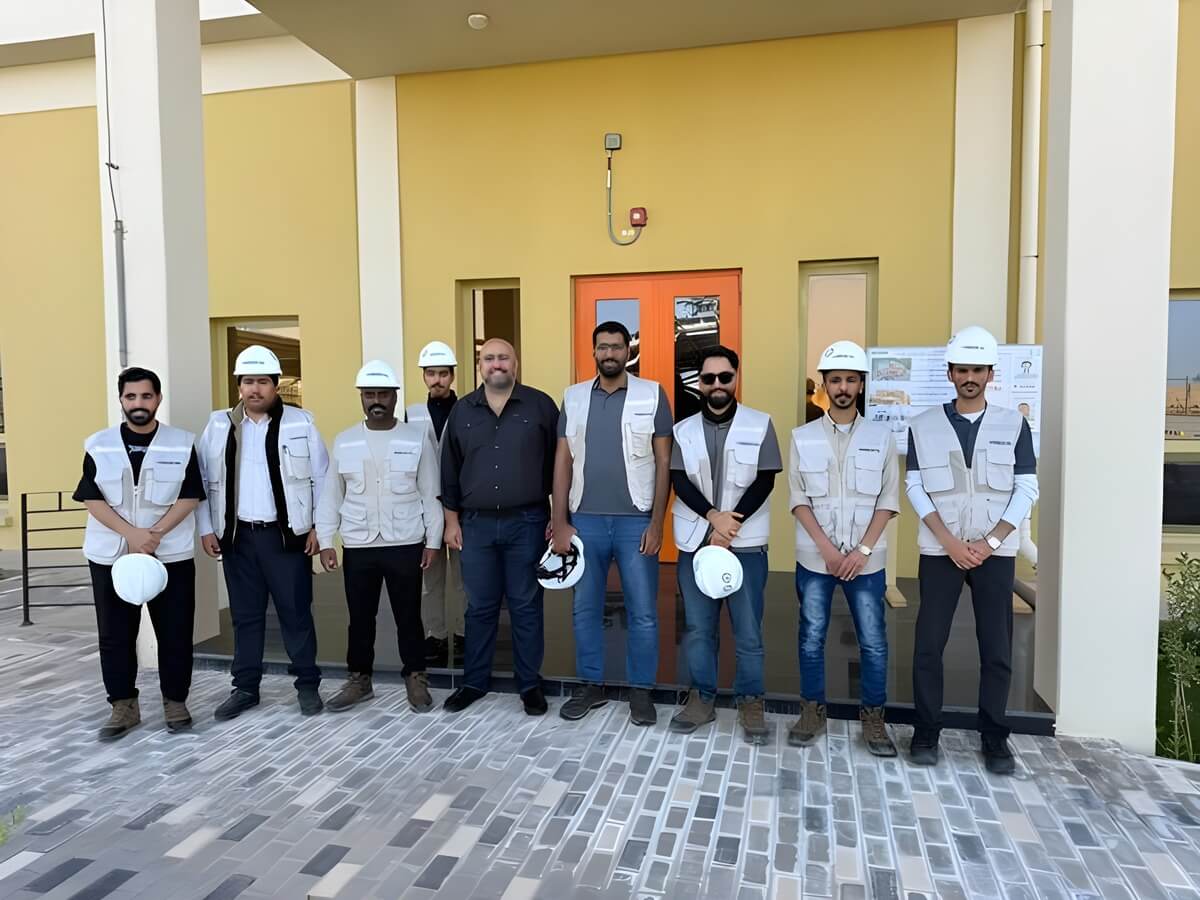
These real-world applications demonstrate how different screening technologies can address specific security requirements at power plants and data centers.
While access control verifies who is authorized to enter, X-ray screening and ETD provide additional inspection capabilities to help identify potential threats.
By combining these technologies with trained personnel and established security procedures, facilities can strengthen physical security while maintaining efficient daily operations.